Dangers Associated with Chewing on Toothpicks
Posted on 6/1/2026 by Dr. Darren Huddleston |
 Many people reach for toothpicks after a meal to dislodge food particles, but frequently using them, or even chewing on them, can lead to some surprising problems for your teeth and gums. Let's explore why this common habit might not be as harmless as it seems and how it relates to your overall oral care. Many people reach for toothpicks after a meal to dislodge food particles, but frequently using them, or even chewing on them, can lead to some surprising problems for your teeth and gums. Let's explore why this common habit might not be as harmless as it seems and how it relates to your overall oral care.
The Problem with Toothpicks
While toothpicks might seem like a convenient way to clean between your teeth, they can actually cause damage. The wood can splinter, leaving tiny pieces stuck in your gums. These splinters can be difficult to remove and can lead to irritation and even infection. Think about how small and sharp those wood pieces are! They are not designed to be used inside your mouth.
Gum Damage and Recession
One of the biggest risks of toothpick use, especially if you're repeatedly poking at the same area, is gum recession. This means that your gums start to pull away from your teeth, exposing the roots. Exposed roots are more sensitive to temperature changes and can increase your risk of cavities. Gum recession can also make your teeth look longer and can affect your smile.
Enamel Erosion
Chewing on toothpicks, even without aggressively picking at your gums, can wear down your tooth enamel over time. Enamel is the hard, protective outer layer of your teeth. Once it's gone, it's gone for good. Worn enamel makes your teeth more susceptible to decay and sensitivity.
Infection Risk
Any time you break the skin, even a little bit, you're opening the door for bacteria to enter. Toothpicks, especially if they aren't sterile, can introduce bacteria into your gums, leading to inflammation and infection. This can manifest as redness, swelling, pain, and even bleeding. In more serious cases, it could lead to an abscess.
A Better Approach to Cleaning Between Your Teeth
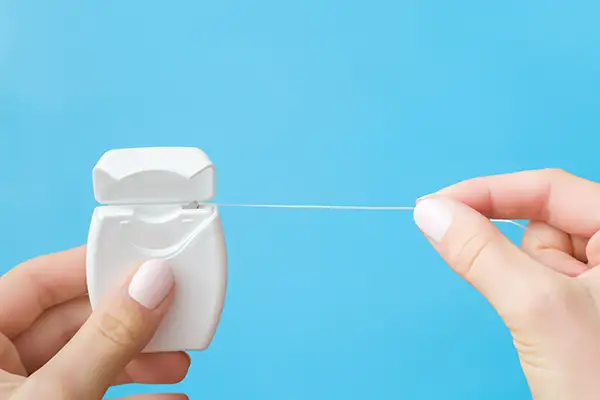
Fortunately, there are much safer and more effective ways to clean between your teeth. The best option is usually dental floss. Floss is designed to gently remove plaque and food particles without damaging your gums. There are many different types of floss available, including waxed, unwaxed, and floss picks, so you can find one that works best for you.
Interdental brushes are another great option, especially if you have larger spaces between your teeth. These small brushes come in different sizes and can effectively remove debris and plaque.
The Importance of Prevention Dentistry
Ultimately, prevention dentistry is key to maintaining a healthy mouth. Regular brushing and flossing, along with routine dental check-ups, are the best ways to prevent problems before they start. Your dentist can help you identify any areas of concern and provide personalized advice on how to care for your teeth and gums properly. They can also show you the correct techniques for flossing and using interdental brushes.
So, while toothpicks might seem like a quick fix, it's important to be aware of the potential risks. By adopting a proper oral care routine and using safer alternatives, you can keep your teeth and gums healthy for years to come.
|
|