Why a Root Canal is Better than an Extraction
Posted on 1/15/2026 by Dr. Darren Huddleston |
 Losing a tooth can feel like a major setback, but sometimes it seems like the only solution when you're facing severe pain or infection. However, before jumping to the conclusion that pulling a tooth, also known as a tooth extraction, is the best option, let's explore why saving your natural tooth with a root canal is often the preferred path. Losing a tooth can feel like a major setback, but sometimes it seems like the only solution when you're facing severe pain or infection. However, before jumping to the conclusion that pulling a tooth, also known as a tooth extraction, is the best option, let's explore why saving your natural tooth with a root canal is often the preferred path.
Understanding the Natural Tooth
Think of your teeth as essential members of your mouth's team. They work together to help you chew, speak clearly, and even maintain the shape of your face. When you lose a tooth, it disrupts this carefully balanced system. The surrounding teeth can start to shift, which can lead to problems with your bite, make it harder to clean your teeth properly, and even affect your jaw joint.
What Happens During a Root Canal?
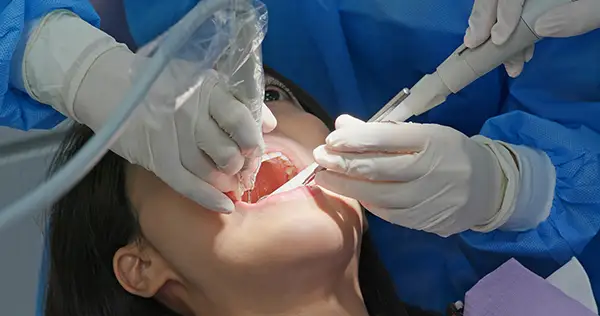
A root canal becomes necessary when the pulp inside your tooth – which contains nerves and blood vessels – becomes infected or inflamed. This can happen due to deep decay, a crack in the tooth, or trauma. During the procedure, a dentist carefully removes the infected pulp, cleans and shapes the inside of the tooth, and then fills and seals the space. This eliminates the infection and prevents further damage. Finally, a restoration, like a crown, is usually placed to protect and strengthen the tooth.
The Advantages of Keeping Your Natural Tooth
Choosing a root canal over an extraction offers several key advantages.
| • |
Preserving Your Natural Bite: As mentioned earlier, keeping your natural tooth helps maintain the alignment of your teeth and prevents bite problems. When a tooth is removed, the adjacent teeth will naturally shift into the new space. This can lead to difficulty chewing and even jaw pain. |
| • |
Maintaining Facial Structure: Your teeth play a role in supporting your facial muscles and preventing your cheeks from sagging. Losing a tooth can contribute to changes in your facial appearance over time. |
| • |
More Cost-Effective in the Long Run: While a root canal and a restoration like a crown involves expense, the cost of replacing a missing tooth with a dental implant, bridge, or removable partial denture can be significantly higher over time. These tooth replacement options often require ongoing maintenance and may need to be replaced eventually. |
| • |
Preventing Bone Loss: When a tooth is extracted, the bone that supported the tooth begins to resorb or shrink. This bone loss can affect the stability of neighboring teeth and make it more challenging to place dental implants in the future. Keeping the natural tooth helps preserve the bone structure. |
When Extraction Might Be Necessary
While saving your natural tooth is usually the goal, there are certain situations where extraction might be the best or only option. For example, if a tooth is severely broken and cannot be restored, or if the infection is so extensive that a root canal is unlikely to be successful, extraction may be recommended.
The Importance of Oral Care
Regardless of whether you choose a root canal or extraction, maintaining excellent oral care is crucial. This includes brushing twice a day, flossing daily, and scheduling regular check-ups and cleanings with your dentist. These habits will help prevent future dental problems and ensure the longevity of any dental work you receive.
Restoration Dentistry
Restoration dentistry has many great treatment options that can help to keep your smile healthy. From fillings to root canals to crowns, there are many ways to help you keep your teeth for as long as possible.
In conclusion, while extraction might seem like a quick fix, a root canal is often a better long-term solution for maintaining your oral health, preserving your natural bite, and preventing future complications. Talk to your dentist to determine the best course of action for your specific situation.
|
|